

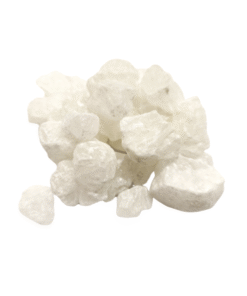
Racemic Ketamine
$200.00
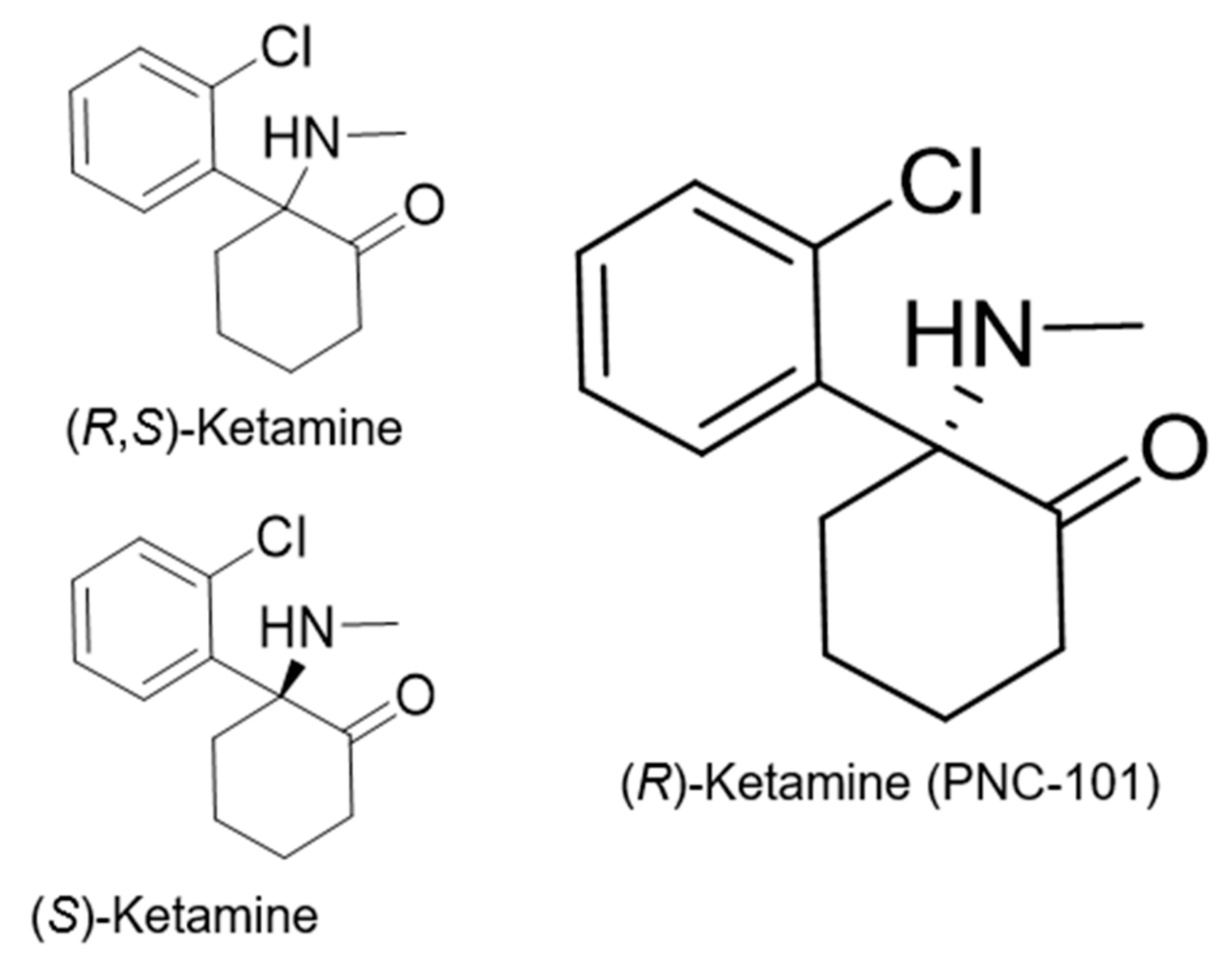
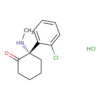
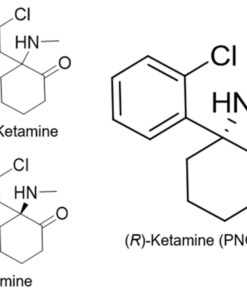
- Chemical Name: (±)-Ketamine
- Molecular Formula: C₁₂H₁₇Cl₂NO
- Enantiomers:
- (S)-ketamine (also known as esketamine): The more potent enantiomer with higher affinity for NMDA receptors.
- (R)-ketamine: Less potent but may have different side effect profiles and therapeutic effects.
Racemic Ketamine: An Overview
Racemic ketamine is a pharmaceutical compound composed of equal parts of two enantiomers—(R)-ketamine and (S)-ketamine. It is a dissociative anesthetic widely used in medical settings for anesthesia, sedation, and pain management. Its unique pharmacological profile also makes it a subject of interest for emerging psychiatric treatments, particularly for depression.
Chemical Structure and Enantiomers:
- Chemical Name: (±)-Ketamine
- Molecular Formula: C₁₂H₁₇Cl₂NO
- Enantiomers:
- (S)-ketamine (also known as esketamine): The more potent enantiomer with higher affinity for NMDA receptors.
- (R)-ketamine: Less potent but may have different side effect profiles and therapeutic effects.
Pharmacology:
- Mechanism of Action: Racemic ketamine primarily acts as a non-competitive antagonist at the NMDA receptor, a subtype of glutamate receptor. This action disrupts excitatory neurotransmission, producing anesthetic and analgesic effects. Additionally, ketamine influences other receptor systems, including opioid, sigma, and AMPA receptors, contributing to its complex pharmacological profile.
- Onset and Duration: When administered intravenously, effects are rapid, often within minutes, with a duration of anesthesia lasting approximately 30-60 minutes.
Medical Uses:
- Anesthesia: Used globally for induction and maintenance of anesthesia, especially in emergency settings and in patients with contraindications to other anesthetics.
- Pain Management: Employed in certain chronic pain conditions, such as refractory depression and neuropathic pain.
- Psychiatric Applications: Recent research highlights its rapid antidepressant effects, particularly for treatment-resistant depression, often utilizing esketamine (the S-enantiomer).
Administration and Dosage:
Racemic ketamine can be administered via multiple routes:
- Intravenous (IV)
- Intramuscular (IM)
- Nasal spray (notably for esketamine, but racemic formulations are also studied)
- Oral or sublingual forms are less common due to first-pass metabolism.
Dosage varies depending on the indication, patient health, and route of administration.
Side Effects and Risks:
Common side effects include:
- Dissociation and hallucinations
- Elevated blood pressure
- Nausea and vomiting
- Dizziness
Potential risks:
- Abuse potential due to euphoric effects
- Bladder toxicity with long-term use
- Cognitive disturbances
Legal and Regulatory Status:
Racemic ketamine is classified as a Schedule III controlled substance in the United States, reflecting its medical utility and potential for abuse.
Emerging Research:
Recent studies are exploring the differential effects of the enantiomers, with esketamine approved for treatment-resistant depression. Research into (R)-ketamine suggests it may have longer-lasting antidepressant effects with fewer side effects.
Be the first to review “Racemic Ketamine”
Related products
Ketamine
Ketamine


Ketamine
Ketamine
Reviews
There are no reviews yet.