

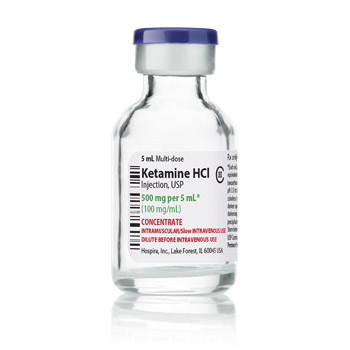
Oral Ketamine


$300.00
Ketamine is a versatile medication primarily known for its use as an anesthetic in medical settings. Over recent years, it has gained attention for its potential therapeutic benefits, particularly in mental health treatment. When administered orally, ketamine offers a unique profile that differs from other routes such as intravenous (IV) or intranasal, with implications for efficacy, safety, and convenience.
Oral Ketamine: An Overview
Ketamine is a versatile medication primarily known for its use as an anesthetic in medical settings. Over recent years, it has gained attention for its potential therapeutic benefits, particularly in mental health treatment. When administered orally, ketamine offers a unique profile that differs from other routes such as intravenous (IV) or intranasal, with implications for efficacy, safety, and convenience.
What is Oral Ketamine?
Oral ketamine involves ingesting the drug in pill or liquid form. It is typically used in controlled clinical environments or, increasingly, in outpatient settings for its rapid and sustained antidepressant effects. Oral administration is generally considered less invasive and more accessible than IV or intranasal routes.
Pharmacokinetics and Dosage
- Absorption: Oral ketamine is absorbed through the gastrointestinal tract, leading to a slower onset of action compared to IV or intranasal methods.
- Metabolism: It is metabolized in the liver into norketamine, which also has psychoactive properties.
- Dosage: Therapeutic doses vary but are often in the range of 0.5 to 1.0 mg/kg, administered under medical supervision to mitigate risks.
Potential Benefits
- Rapid Relief of Depression: Studies have shown that oral ketamine can produce antidepressant effects within hours to days.
- Reduction in Suicidal Ideation: It may quickly alleviate thoughts of self-harm in treatment-resistant patients.
- Pain Management: It can serve as an analgesic in chronic pain conditions, especially where other treatments have failed.
Risks and Side Effects
- Dissociation and Altered Perception: Some users experience feelings of detachment or hallucinations.
- Cognitive and Urinary Effects: Long-term use may lead to cognitive impairments or urinary tract issues.
- Potential for Abuse: Ketamine has addictive potential, necessitating careful regulation and monitoring.
Clinical Use and Considerations
- Oral ketamine is often administered alongside psychotherapy or as part of a comprehensive treatment plan.
- It requires careful dosing and monitoring due to its psychoactive effects and potential side effects.
- Emerging formulations, such as esketamine (a derivative), have been approved for treatment-resistant depression.
Conclusion
Oral ketamine presents a promising frontier in psychiatric and pain management therapies, offering a less invasive alternative to traditional routes. While its benefits are significant, it must be used responsibly under medical supervision to minimize risks. Ongoing research continues to refine its applications, aiming to maximize therapeutic outcomes while safeguarding patient safety.
Be the first to review “Oral Ketamine”
Related products




Ketamine



Ketamine
Reviews
There are no reviews yet.