

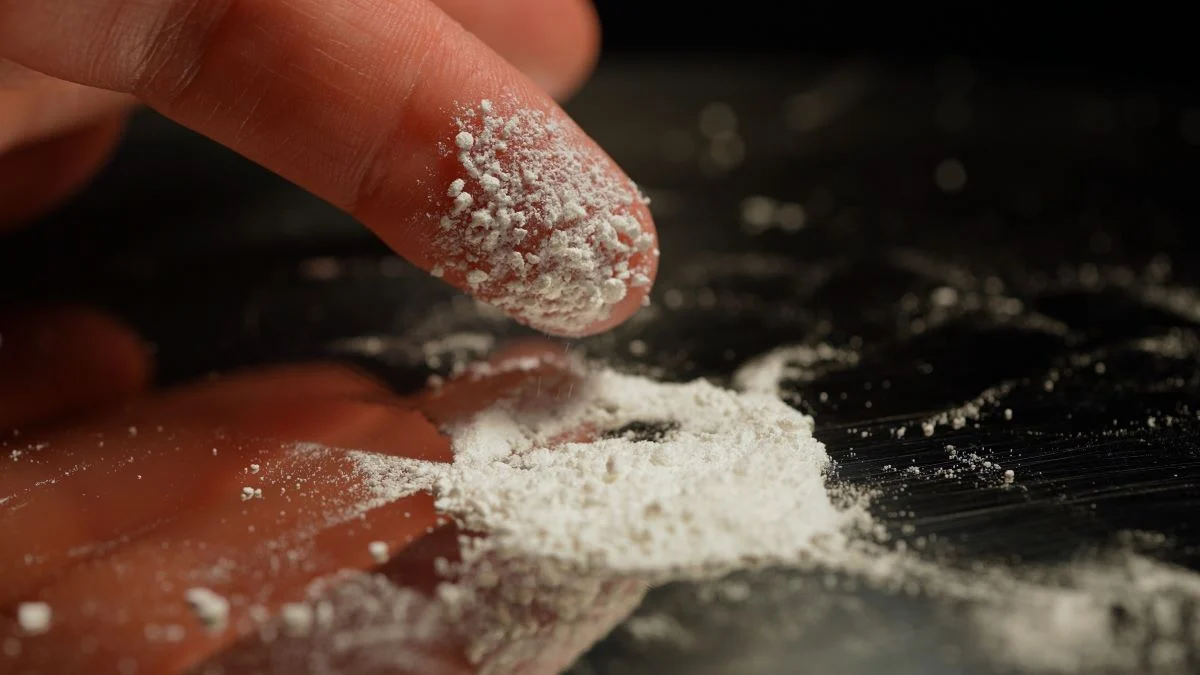
MDMA Powder

Price range: $300.00 through $2,100.00
MDMA is a synthetic drug that acts primarily as a stimulant and hallucinogen. When ingested, it increases the release of neurotransmitters such as serotonin, dopamine, and norepinephrine in the brain. This leads to feelings of euphoria, emotional closeness, increased energy, and heightened sensory perception. Users often report feelings of warmth, empathy, and a sense of connectedness with others.
MDMA Powder
MDMA, also known as 3,4-methylenedioxymethamphetamine, is a psychoactive substance that is often associated with recreational use at parties and music festivals. It is commonly found in a crystalline powder form, sometimes referred to as “MDMA powder” or “Ecstasy.”
Chemical Composition and Effects
MDMA is a synthetic drug that acts primarily as a stimulant and hallucinogen. When ingested, it increases the release of neurotransmitters such as serotonin, dopamine, and norepinephrine in the brain. This leads to feelings of euphoria, emotional closeness, increased energy, and heightened sensory perception. Users often report feelings of warmth, empathy, and a sense of connectedness with others.
Forms and Usage
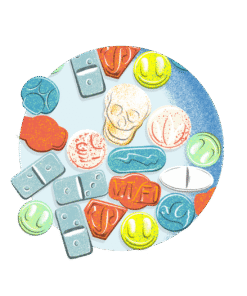
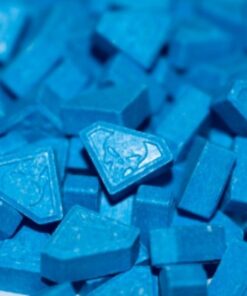
While MDMA is often pressed into pills, it can also be purchased as a powder, which users typically ingest by swallowing, snorting, or dissolving in liquids. The powder form allows for more precise dosing but also carries risks related to purity and potency.
Risks and Legal Status
MDMA is classified as a Schedule I controlled substance in many countries, meaning it is illegal to manufacture, buy, possess, or distribute. Its use carries risks including dehydration, hyperthermia, and in severe cases, fatal overdose. Long-term use may lead to cognitive deficits, emotional disturbances, and dependency.
Harm Reduction and Awareness
Because of its illegal status and potential health risks, harm reduction strategies emphasize testing substances for purity, starting with small doses, staying hydrated, and avoiding combining MDMA with other substances such as alcohol or stimulants.
Conclusion
While MDMA powder is often sought for its euphoric and empathogenic effects, it poses significant health and legal risks. Awareness and education are crucial for those who choose to use or encounter this substance.
| Quantity | 3.5 grams, 7 grams, 14 grams, 28 grams |
|---|
Be the first to review “MDMA Powder”
Related products
MDMA

Reviews
There are no reviews yet.