

Crystal Meth

Price range: $150.00 through $4,800.00
Crystal methamphetamine, commonly known as crystal meth, is a powerful and highly addictive synthetic drug that affects the central nervous system. Its chemical name is methamphetamine hydrochloride, but it is often referred to by street names such as “ice,” “glass,” “crystal,” or “tina.” Due to its potent stimulant effects, it has gained notoriety for its potential to cause severe health issues and social problems.
Crystal Meth: An Overview
Crystal methamphetamine, commonly known as crystal meth, is a powerful and highly addictive synthetic drug that affects the central nervous system. Its chemical name is methamphetamine hydrochloride, but it is often referred to by street names such as “ice,” “glass,” “crystal,” or “tina.” Due to its potent stimulant effects, it has gained notoriety for its potential to cause severe health issues and social problems.
Chemical Composition and Production
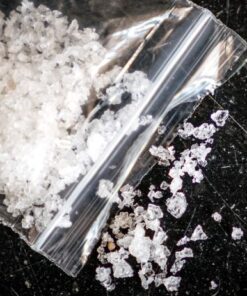
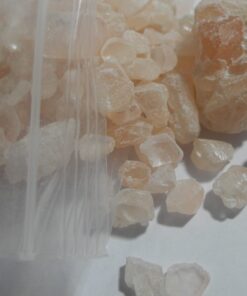
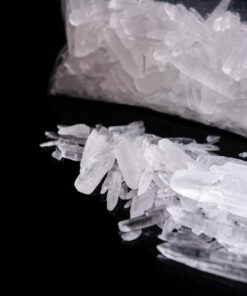
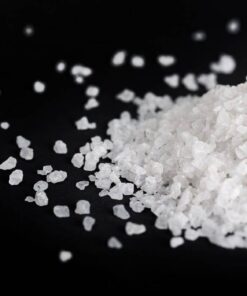
It appears as clear, crystalline chunks or bluish-white rocks. It is typically produced illegally in clandestine laboratories through complex chemical processes involving over-the-counter medications like pseudoephedrine or ephedrine, along with various toxic chemicals. The manufacturing process is dangerous, both in terms of health hazards and environmental impact.
Effects on the Body and Mind
When used, crystal meth rapidly increases the release and blocks the reuptake of dopamine in the brain, producing intense feelings of euphoria, increased energy, alertness, and confidence. However, these effects are short-lived and often followed by a “crash” characterized by fatigue, depression, and irritability.
Chronic use can lead to severe health consequences, including:
- Cardiovascular problems (e.g., increased heart rate, hypertension)
- Dental decay (“meth mouth”)
- Skin sores
- Weight loss
- Cognitive deficits
- Psychosis, paranoia, and hallucinations
Addiction and Dependency
It has a high potential for addiction. Its powerful euphoric effects can quickly lead to psychological dependence, and with repeated use, physical dependence may develop. Users often engage in compulsive drug-seeking behavior despite negative consequences, making treatment challenging.
Social and Legal Implications
The proliferation of crystal meth has significant social repercussions, including increased crime rates, family disintegration, and strain on healthcare systems. Law enforcement agencies worldwide combat its production and distribution through strict regulations and interdiction efforts.
Treatment and Recovery
Addressing crystal meth addiction often requires comprehensive treatment approaches, including behavioral therapy, counseling, and support groups. There are currently no FDA-approved medications specifically for methamphetamine addiction, making behavioral interventions vital. Long-term recovery is possible, but it often involves overcoming profound psychological and physiological challenges.
Prevention
Preventative strategies focus on education about the risks associated with crystal meth, early intervention for at-risk populations, and policies to restrict access to precursor chemicals.
| Quantity | 0.5g, 1g, 3.5g(8 ball), 0.5Oz, 28g(Ounce), 1kg |
|---|
Be the first to review “Crystal Meth”
Related products

Crystal
Crystal
Crystal
Crystal
Crystal
Crystal
Reviews
There are no reviews yet.