
Brown Heroin
Price range: $260.00 through $1,600.00
Brown heroin is usually produced in clandestine laboratories, primarily in regions where law enforcement is less stringent. Its production involves the conversion of opium into morphine, then into heroin, with minimal purification. This process results in a product that contains various impurities, giving it the distinctive brown hue. The drug is often trafficked in regions such as Southeast Asia, Mexico, and parts of Central and South America.
Brown Heroin: An Overview
Brown heroin, often referred to as “brown sugar” or “black tar,” is a type of illicit opioid drug that is typically less refined than the white heroin commonly associated with the drug trade. It is characterized by its brown or dark coloration, which results from the impurities and adulterants present during its production process.
Origins and Production
Brown heroin is usually produced in clandestine laboratories, primarily in regions where law enforcement is less stringent. Its production involves the conversion of opium into morphine, then into heroin, with minimal purification. This process results in a product that contains various impurities, giving it the distinctive brown hue. The drug is often trafficked in regions such as Southeast Asia, Mexico, and parts of Central and South America.
Characteristics
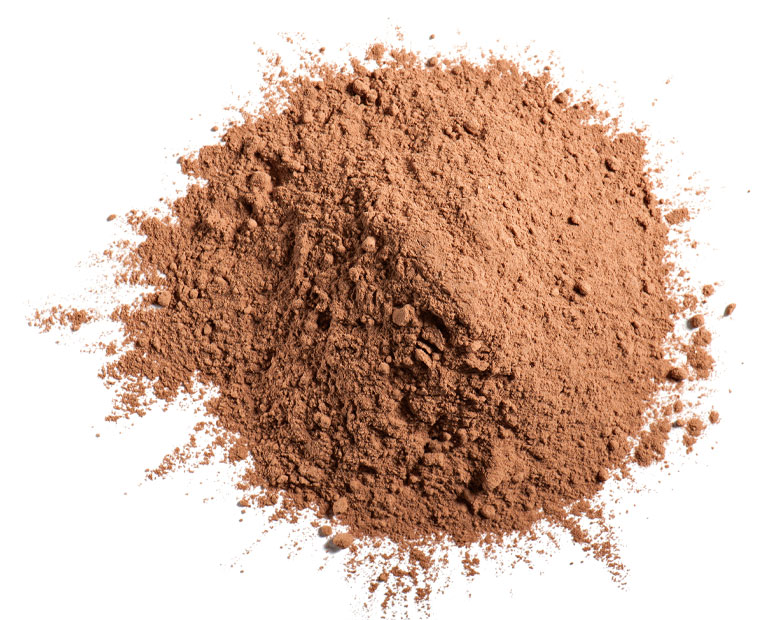
- Appearance: Typically brown or dark brown, sometimes with a sticky, tar-like consistency.
- Potency: Generally less pure than white heroin, with a variable potency depending on the manufacturing process.
- Methods of Use: Commonly injected, snorted, or smoked, with injection being the most prevalent due to its potency.
Effects and Risks
Brown heroin produces effects similar to white heroin, including intense euphoria, relaxation, and pain relief. However, it also carries significant health risks:
- Addiction: Highly addictive, leading to physical and psychological dependence.
- Health Complications: Increased risk of overdose, infections from unsafe injection practices, and transmission of blood-borne diseases such as HIV and hepatitis.
- Impurities: The presence of impurities increases the risk of adverse reactions and complicates overdose treatment.
Legal and Social Impact
The trade and use of brown heroin contribute to social issues such as crime, homelessness, and public health crises. Efforts to combat its proliferation include law enforcement crackdowns, harm reduction strategies, and addiction treatment programs.
| Quantity | 5g, 10g, 20g, 50g |
|---|
Be the first to review “Brown Heroin”
Related products
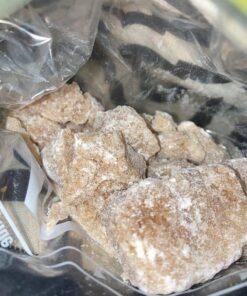
Heroin
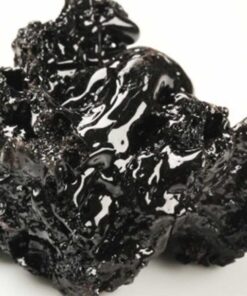
Heroin
Heroin
Heroin
Reviews
There are no reviews yet.