

Brown Cocaine

Price range: $300.00 through $5,000.00
| Formula | C17H21NO4 |
|---|---|
| Molar mass | 303.358 g·mol−1 |
| 3D model (JSmol) | |
| Melting point | 98 °C (208 °F) |
| Boiling point | 187 °C (369 °F) |
| Solubility in water | 1.8g/L (22 °C) |
Brown Cocaine: The Untold Story of a Darker High
When most people hear the word “cocaine,” they often think of the white, crystalline powder associated with glamour, danger, and addiction. However, there’s a lesser-known variant that has carved out its own dark niche in the underground drug scene—Brown Cocaine. This substance, often a byproduct or adulterated form of traditional cocaine, carries with it a gritty history and complex cultural implications.
What is Brown Cocaine?
Brown Cocaine isn’t a pure form of cocaine hydrochloride like the white powder most are familiar with. Instead, it is typically a mixture of cocaine with impurities, cutting agents, or sometimes a different form of the drug altogether—like crack cocaine or a heavily adulterated version of the original. Its coloration can come from the presence of plant matter, impurities, or added substances such as heroin, brown sugar, or other chemicals used to stretch the product.
Historical Context
The emergence of brown variants of cocaine can be traced back to the early days of drug smuggling and street-level distribution. In many regions, traffickers would cut pure cocaine with cheaper substances to maximize profits, resulting in a darker, more adulterated product. During the 1970s and 80s, as crack cocaine gained popularity, the term “brown cocaine” was sometimes used to describe a form of the drug that was more accessible and affordable, but also more impure and dangerous.
Characteristics and Effects
Brown Cocaine often has a more potent, harsh smell and taste compared to its white counterpart. Its effects can vary depending on the adulterants present but generally include:
- Intense euphoria
- Increased energy and alertness
- Heightened confidence
However, the impurities and adulterants can lead to severe health risks, including:
- Respiratory issues
- Heart problems
- Increased risk of overdose
- Long-term damage to nasal passages and lungs
Cultural Significance
In certain urban communities, especially where economic hardships are prevalent, brown cocaine has become a symbol of survival and resilience. It often represents a lower-cost alternative for those who cannot afford purer forms of the drug, but it also underscores the desperation and systemic issues fueling drug dependency.
In some stories and narratives, brown cocaine is portrayed as a “starter” drug—something that pulls users into a cycle of addiction that is difficult to escape. Its gritty, unrefined nature evokes themes of decay, struggle, and societal neglect.
The Road to Awareness and Harm Reduction
Understanding brown cocaine’s risks has led to increased calls for harm reduction strategies, including education on drug purity, the dangers of adulterants, and access to treatment programs. Awareness campaigns emphasize that the darker the substance, the greater the peril to one’s health.
Conclusion
Brown Cocaine is more than just a variant of a popular drug—it’s a reflection of socio-economic issues, illicit trade practices, and the complex human stories behind addiction. Recognizing its origins and dangers is a step toward addressing the broader challenges of drug abuse and societal neglect.
| Quantity | 1gram, 3.5grams (8 Ball), 0.5grams, 28grams, 1kg |
|---|---|
| Purity | 90%, 95%, 99.99% |
Be the first to review “Brown Cocaine”
Related products

cocaine
cocaine
cocaine
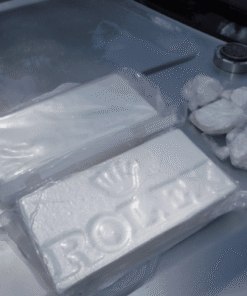
cocaine
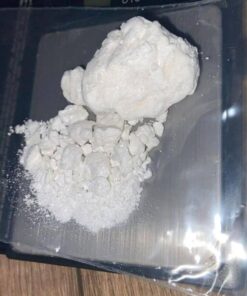
cocaine
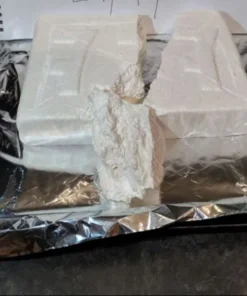
cocaine
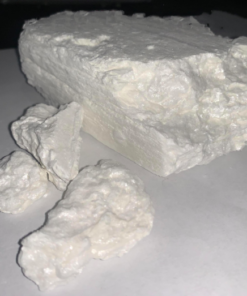
cocaine
cocaine
Reviews
There are no reviews yet.