


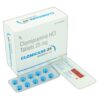
Chlorpromazine: An Overview
Chlorpromazine is a medication that belongs to the class of drugs known as typical antipsychotics or neuroleptics. It was first synthesized in the 1950s and is widely recognized for its significant role in the treatment of psychiatric disorders.
Chemical and Pharmacological Properties:
- Chemical Name: 2-Chloro-N-[(phenylamino)thioxomethyl]phenothiazine
- Mechanism of Action: Chlorpromazine primarily works by blocking dopamine D2 receptors in the brain, which helps to reduce psychotic symptoms. It also has antihistaminic, anticholinergic, and antiadrenergic properties, contributing to its sedative and side effect profile.
Uses and Indications:
- Schizophrenia: It is used to manage symptoms such as hallucinations, delusions, and disorganized thinking.
- Bipolar Disorder: To control acute manic episodes.
- Nausea and Vomiting: Particularly in postoperative or chemotherapy-induced nausea.
- Intractable Hiccups: Off-label use in some cases.
Administration:
Chlorpromazine can be administered orally in tablets or liquid form, or via intramuscular injections for acute episodes. Dosage varies depending on the condition and patient response.
Side Effects:
Common side effects include:
- Sedation
- Hypotension
- Dry mouth
- Blurred vision
- Weight gain
Serious adverse effects can include:
- Extrapyramidal symptoms (e.g., tremors, rigidity)
- Tardive dyskinesia
- Neuroleptic malignant syndrome
- Blood dyscrasias
Historical Significance:
Chlorpromazine was groundbreaking as it was among the first antipsychotic medications, transforming mental health treatment by providing an effective pharmacological option for schizophrenia and other psychoses. Its discovery marked the beginning of modern psychopharmacology.
Current Status:
While newer antipsychotics with fewer side effects have been developed, chlorpromazine remains in use, especially in low-resource settings or for specific indications. It also plays a role in managing severe agitation and in some cases of nausea.
Be the first to review “Chlorpromazine (30 tablets)”
Related products



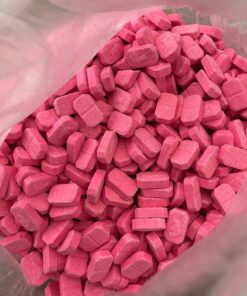
MDMA


MDMA
Reviews
There are no reviews yet.