
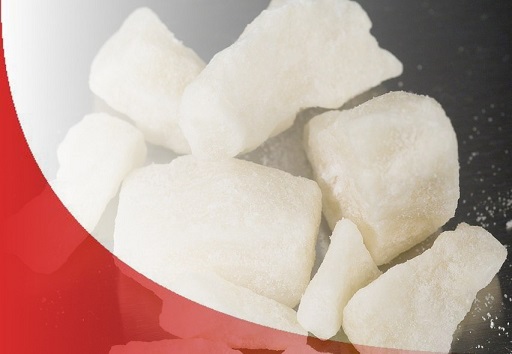
Synthetic Cocaine

Price range: $300.00 through $5,000.00
| Aspect | Natural Cocaine | Synthetic Cocaine |
|---|---|---|
| Source | Derived from coca plant leaves | Chemically synthesized in labs |
| Chemical Structure | Alkaloid cocaine hydrochloride | Varies; may mimic or differ from cocaine |
| Legality | Illegal in most countries | Often unregulated initially, but eventually prohibited |
Synthetic Cocaine: An Overview
Synthetic cocaine, often referred to as “designer cocaine,” is a laboratory-produced substance designed to mimic or alter the effects of natural cocaine. Unlike traditional coca leaves, which are processed to produce the classic stimulant, synthetic cocaine is created through chemical synthesis, often involving complex processes that can sometimes produce unpredictable or dangerous compounds.
What Is Synthetic Cocaine?
Synthetic cocaine generally refers to chemically manufactured substances that imitate cocaine’s stimulant effects or are chemically similar to it. These can include:
- Synthetic cathinones (“Bath salts”): These are a class of synthetic stimulants that can produce effects similar to cocaine but are chemically different.
- Novel psychoactive substances (NPS): These are newly created chemicals designed to bypass drug laws, some of which may produce cocaine-like effects.
Chemical Composition and Production
The production of synthetic cocaine involves complex chemical reactions often carried out clandestinely in illicit laboratories. The chemicals used can vary, but common precursors include pharmaceuticals or chemicals that can be easily obtained or synthesized. The process often involves:
- Synthesis of stimulant compounds.
- Purification and cutting with other substances.
- Packaging for sale on illicit markets.
Differences from Natural Cocaine
| Aspect | Natural Cocaine | Synthetic Cocaine |
|---|---|---|
| Source | Derived from coca plant leaves | Chemically synthesized in labs |
| Chemical Structure | Alkaloid cocaine hydrochloride | Varies; may mimic or differ from cocaine |
| Legality | Illegal in most countries | Often unregulated initially, but eventually prohibited |
Risks and Dangers
Synthetic cocaine poses significant health risks:
- Unpredictable potency: Variability in chemical composition can lead to overdose.
- Toxic contaminants: Impurities or untested chemicals can cause severe health issues.
- Legal risks: Production and possession are illegal, leading to criminal charges.
- Addiction potential: Highly addictive, with severe physical and psychological effects.
Legal and Social Implications
Governments worldwide are cracking down on synthetic drugs, including those designed to mimic cocaine. Law enforcement agencies continuously update regulations to combat new synthetic variants, but the clandestine nature of production makes it challenging.
Conclusion
While synthetic cocaine may seem like a modern innovation, its creation is rooted in the broader issue of illicit drug manufacturing. Its unpredictable effects and high risks make it a dangerous substance that poses serious health and legal concerns. Awareness and education remain crucial in combating the spread and misuse of synthetic stimulant drugs.
| Quantity | 1gram, 3.5grams (8 Ball), 0.5grams, 28grams, 1kg |
|---|---|
| Purity | 90%, 95%, 99.99% |
Be the first to review “Synthetic Cocaine”
Related products
cocaine
cocaine

cocaine
cocaine

cocaine
cocaine

cocaine
cocaine
Reviews
There are no reviews yet.