

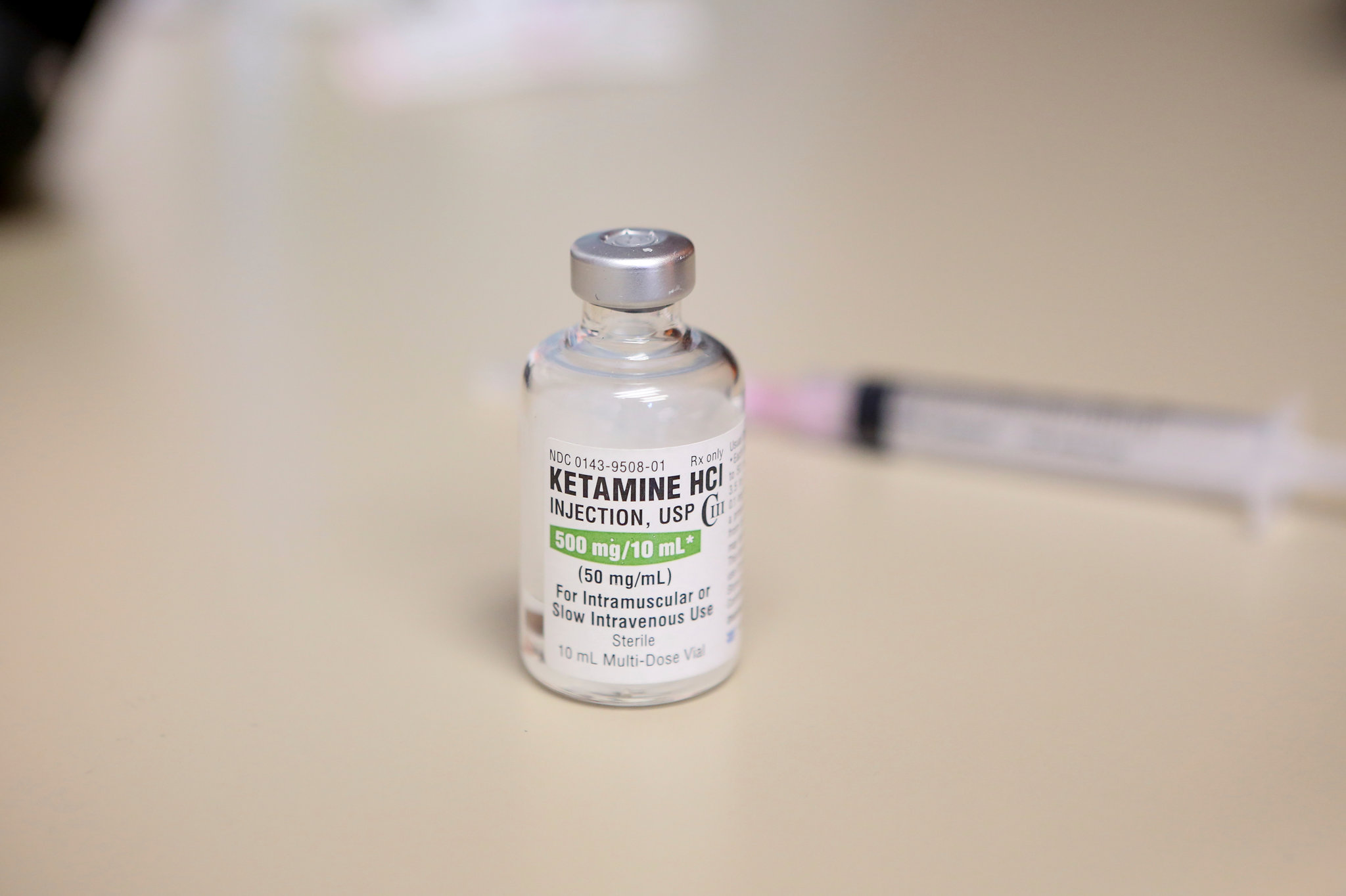
IM Ketamine
Original price was: $350.00.$275.00Current price is: $275.00.
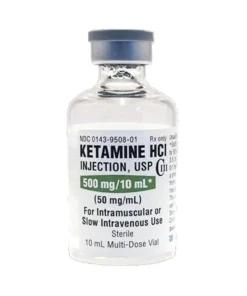
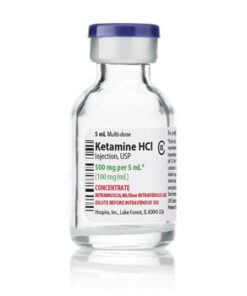
Ketamine is a dissociative anesthetic commonly used in medical settings for anesthesia and pain management. It is known for its rapid onset, safety profile, and unique mechanism of action. When administered via intramuscular injection (IM), ketamine provides a potent and fast-acting effect suitable for various clinical scenarios.
IM Ketamine: An Overview
Ketamine is a dissociative anesthetic commonly used in medical settings for anesthesia and pain management. It is known for its rapid onset, safety profile, and unique mechanism of action. When administered via intramuscular injection (IM), ketamine provides a potent and fast-acting effect suitable for various clinical scenarios.
What is IM Ketamine?
IM Ketamine refers to the administration of ketamine through intramuscular injection. This route is often chosen when intravenous access is difficult, or when a rapid, reliable onset of anesthesia or sedation is required outside of a hospital setting. The typical dose varies depending on the purpose—ranging from sedation to anesthesia—and patient-specific factors.
Pharmacology
Ketamine works primarily by blocking NMDA receptors in the brain, which are involved in pain transmission, mood regulation, and consciousness. Its dissociative properties lead to a trance-like state where patients may feel detached from their surroundings, with preserved airway reflexes and spontaneous breathing.
Uses of IM Ketamine
- Anesthesia: Especially in emergency or field settings, where quick induction is necessary.
- Pain Management: For severe pain, particularly when other analgesics are ineffective.
- Sedation: For procedures requiring patient immobilization and amnesia. IM Ketamine.
- Psychiatric Treatment: Emerging use in treatment-resistant depression and post-traumatic stress disorder, typically via intravenous or intranasal routes, but IM administration is also being explored.
Advantages of IM Administration
- Easier to administer in non-hospital environments.
- Rapid onset comparable to IV administration.
- Useful in settings where IV access is challenging.
Risks and Side Effects
- Elevated blood pressure and heart rate. IM Ketamine.
- Emergence reactions such as hallucinations or vivid dreams.
- Nausea and vomiting. IM Ketamine. IM Ketamine. IM Ketamine.
- Potential for misuse and dependence, given its dissociative effects.
Safety Precautions
- Should be administered by trained healthcare professionals.
- Patients should be monitored for cardiovascular and respiratory stability.
- Use with caution in patients with hypertension, psychosis, or cardiac disease.
Be the first to review “IM Ketamine”
Related products

Ketamine
Ketamine

Ketamine

Reviews
There are no reviews yet.