
Powder Meth

Price range: $100.00 through $41,000.00
Powder meth is synthesized through complex chemical processes involving the reduction of pseudoephedrine or ephedrine, which are found in over-the-counter cold medications. Illicit production often takes place in clandestine laboratories, where dangerous chemicals such as lithium, anhydrous ammonia, and hydrochloric acid are used. This process poses significant health risks to producers and the environment.
Powder Meth: An Overview
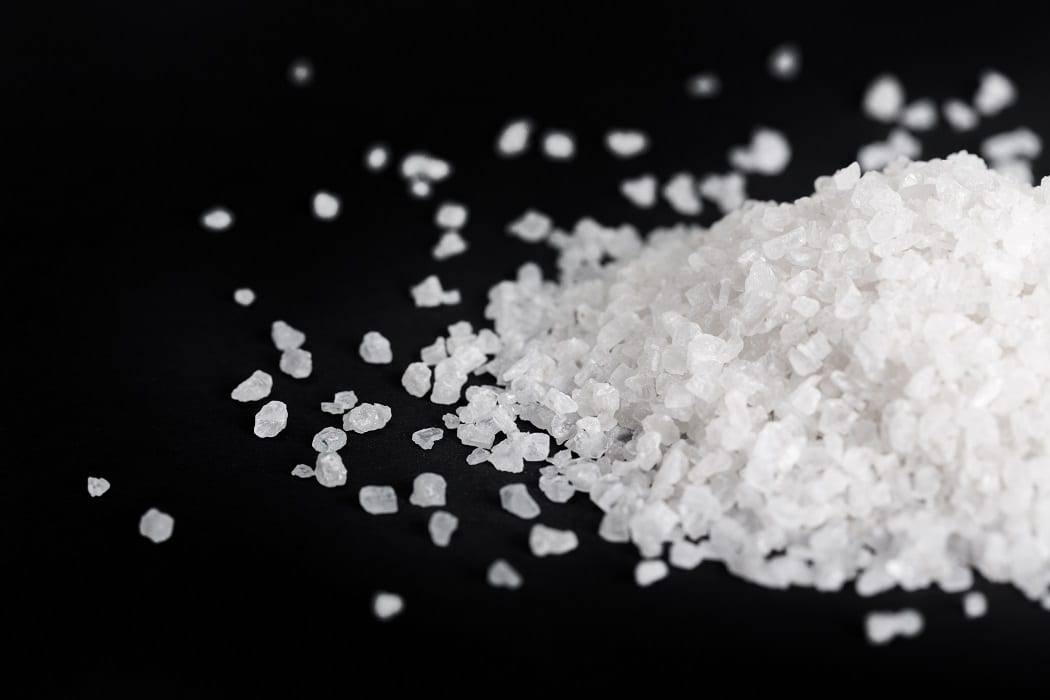
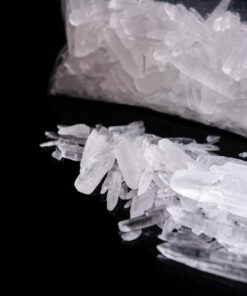
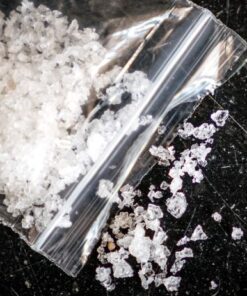
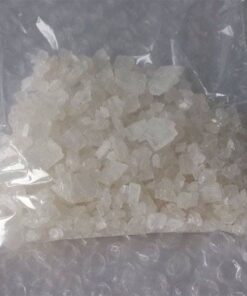
Powder methamphetamine, commonly referred to as “powder meth,” is a highly potent and addictive stimulant drug. It belongs to the class of drugs known as amphetamines and is chemically similar to other substances like Adderall and Dexedrine. Powder meth is typically found as a crystalline, white or off-white powder that can be ingested, snorted, or dissolved in liquids for injection.
Chemical Composition and Production
Powder meth is synthesized through complex chemical processes involving the reduction of pseudoephedrine or ephedrine, which are found in over-the-counter cold medications. Illicit production often takes place in clandestine laboratories, where dangerous chemicals such as lithium, anhydrous ammonia, and hydrochloric acid are used. This process poses significant health risks to producers and the environment.
Methods of Use
- Snorting: Inhaling the powder through the nose for rapid absorption.
- Ingestion: Swallowing pills or capsules containing the powder.
- Injection: Dissolving the powder in water and injecting it directly into the bloodstream, which provides an intense and immediate high.
Effects on the Body and Mind
Powder meth stimulates the central nervous system, leading to:
- Increased energy and alertness
- Elevated mood and euphoria
- Reduced appetite
- Increased physical activity
However, it also has severe adverse effects:
- Heart problems, including rapid heartbeat and hypertension
- Dental decay (“meth mouth”)
- Skin sores and infections
- Anxiety, paranoia, and hallucinations
- Risk of overdose, which can be fatal
Addiction and Dependence
Powder meth is highly addictive due to its powerful effects on dopamine release in the brain. Repeated use can lead to tolerance, dependence, and addiction. Users often struggle to stop despite experiencing detrimental health and social consequences.
Legal Status and Treatment
Most countries classify powder meth as an illegal substance, with strict penalties for manufacturing, possession, and distribution. Treatment for meth addiction includes behavioral therapy, counseling, and support groups. Medical intervention may be necessary for managing withdrawal symptoms and co-occurring mental health disorders.
Conclusion
Powder methamphetamine is a dangerous and highly addictive drug that poses serious health risks. Awareness, prevention, and access to treatment are vital in combating the harm caused by this substance. If you or someone you know is struggling with meth addiction, seeking professional help is crucial for recovery.
| Quantity | 0.5g, 1g, 3.5g(8 ball), 0.5Oz, 28g(Ounce), 1kg |
|---|
Be the first to review “Powder Meth”
Related products
Crystal
Crystal
Crystal
Crystal
Crystal

Crystal
Reviews
There are no reviews yet.