

Ice Meth

Price range: $110.00 through $40,000.00
Ice meth, commonly referred to as crystal meth or simply “ice,” is a powerful and highly addictive stimulant drug. Known for its crystal-like appearance and intense euphoric effects, ice meth has become a significant concern worldwide due to its devastating health, social, and legal impacts.
Ice Meth: An Overview
Ice meth, commonly referred to as crystal meth or simply “ice,” is a powerful and highly addictive stimulant drug. Known for its crystal-like appearance and intense euphoric effects, ice meth has become a significant concern worldwide due to its devastating health, social, and legal impacts.
What is Ice Meth?
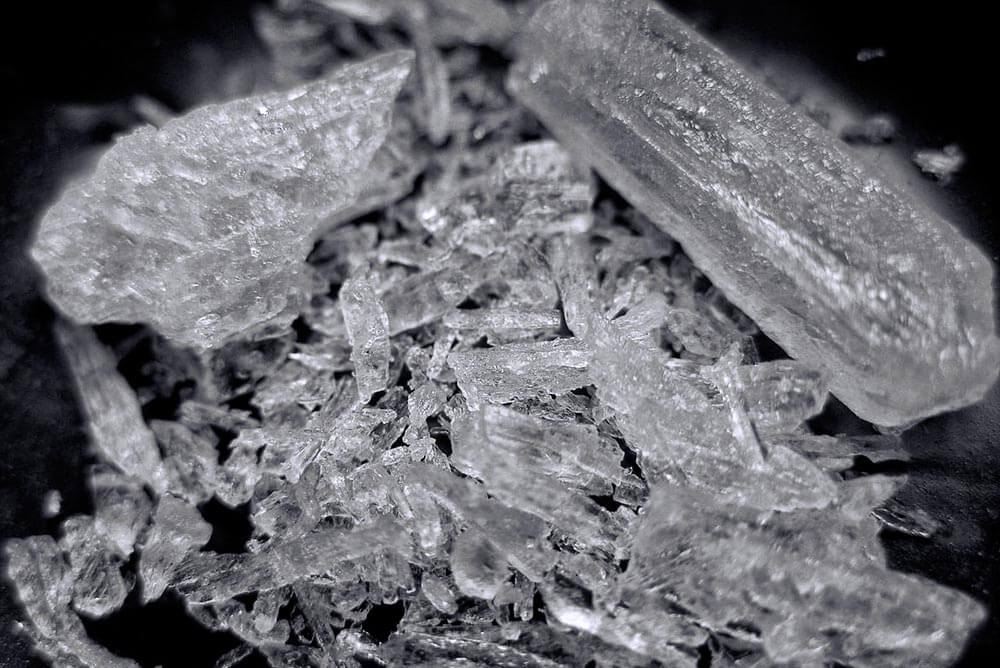
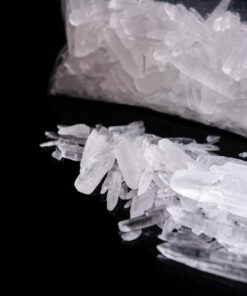
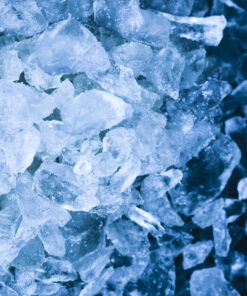
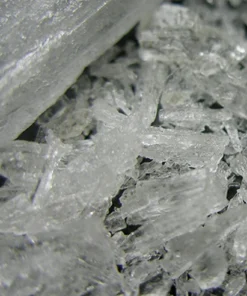
It is a form of methamphetamine, a synthetic drug that stimulates the central nervous system. Its crystal form allows it to be smoked, snorted, injected, or ingested, with smoking being the most common method. The name “ice” derives from its clear, crystalline appearance, resembling shards of ice.
Chemical Composition:
Methamphetamine belongs to the amphetamine class of drugs, chemically similar to amphetamine but with a much stronger effect on the brain. Its chemical formula is C₁₀H₁₅N, and it acts primarily by increasing the release of dopamine, norepinephrine, and serotonin in the brain.
Effects on the User:
- Euphoria and Increased Energy: Users often experience a rush of intense pleasure, heightened alertness, and increased physical activity.
- Decreased Appetite: It suppresses hunger, leading to weight loss in chronic users.
- Enhanced Confidence: Many users feel more confident and aggressive.
- Potential for Hallucinations and Paranoia: High doses or prolonged use can cause psychosis, hallucinations, and violent behavior.
- Physical Consequences: Elevated heart rate, increased blood pressure, hyperthermia, dental decay (“meth mouth”), and skin sores.
Addiction and Risks:
It is highly addictive due to its powerful impact on the brain’s reward system. Chronic use can lead to severe mental health issues, including anxiety, paranoia, and psychosis, as well as physical deterioration. Overdose can result in heart failure, stroke, or death.
Social and Legal Impact:
The production and distribution of ice meth are linked to organized crime and illegal laboratories. Its abuse causes social destabilization, increases healthcare costs, and strains law enforcement resources.
Treatment and Recovery:
Treatment options include behavioral therapies, counseling, and support groups. There are currently no FDA-approved medications specifically for methamphetamine addiction, making comprehensive rehab programs essential.
Prevention:
Education about the dangers of ice meth, community outreach, and stricter law enforcement are vital in reducing its prevalence.
| Quantity | 0.5g, 1g, 3.5g(8 ball), 0.5Oz, 28g(Ounce), 1kg |
|---|
Be the first to review “Ice Meth”
Related products
Crystal
Crystal
Crystal
Crystal
Crystal
Crystal
Reviews
There are no reviews yet.