

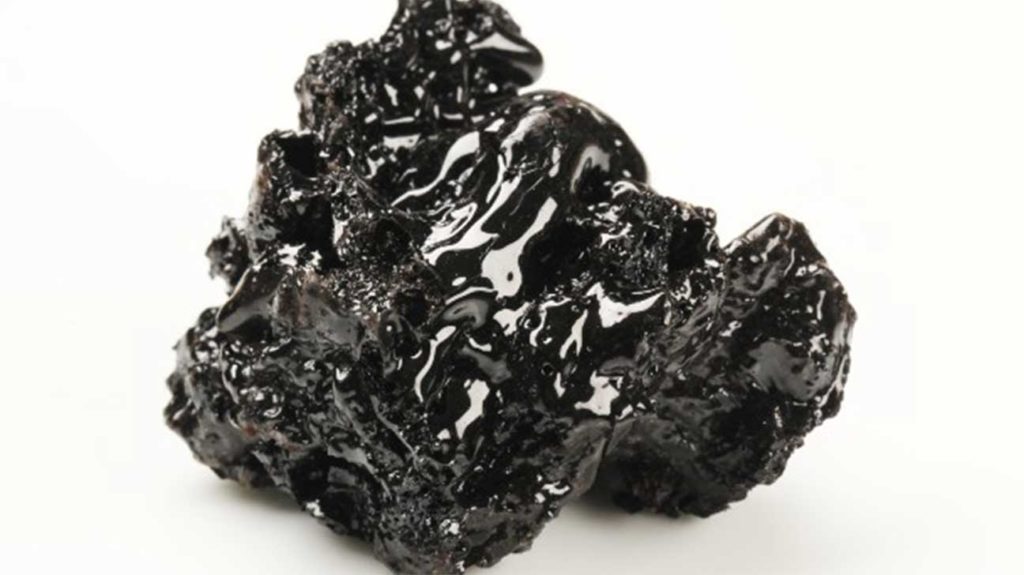
Black Tar Heroin
Price range: $250.00 through $2,500.00
Black Tar Heroin is a potent and dangerous form of heroin that has a distinctive appearance and a complex history. It is primarily produced in Mexico and is characterized by its sticky, tar-like consistency, which distinguishes it from the more powdered forms of heroin like powder or pharmaceutical-grade heroin.
Black Tar Heroin
Black Tar Heroin is a potent and dangerous form of heroin that has a distinctive appearance and a complex history. It is primarily produced in Mexico and is characterized by its sticky, tar-like consistency, which distinguishes it from the more powdered forms of heroin like powder or pharmaceutical-grade heroin.
Appearance and Composition
Black tar heroin is typically dark brown or black, sticky, and tar-like in texture. Its color and consistency result from the manufacturing process, which involves refining heroin from raw opium. The impurities and adulterants present during production give it its distinctive appearance. Unlike the white or off-white powder heroin, black tar often contains impurities and adulterants that can increase its toxicity.
Methods of Use
Due to its sticky nature, black tar heroin is usually heated and dissolved in water for injection. Some users may also smoke or snort it, although injection remains the most common method. The impurities and adulterants can cause severe damage to veins and tissues, increasing the risk of infections, abscesses, and other health complications.
Effects and Risks
Black tar heroin produces intense euphoria, relaxation, and pain relief. However, it also carries significant risks, including overdose, addiction, and health complications arising from impurities and adulterants. Because of its potency, even small doses can lead to overdose, especially when mixed with other substances or adulterants.
Legal and Social Context
In many regions, black tar heroin is associated with illegal drug trade networks and is linked to higher rates of crime, addiction, and health crises. Its affordability and availability make it a widely used form of heroin in certain areas, but its dangerous nature makes it particularly lethal.
Historical and Cultural Aspects
The emergence of black tar heroin in the 1970s and 1980s marked a shift in the heroin market, especially along the U.S.-Mexico border. It became a major substance of abuse in the southwestern United States and other parts of North America, shaping drug treatment and law enforcement responses.
Summary
Black tar heroin is a formidable form of illicit opiate that poses serious health and social risks. Its distinctive appearance, method of use, and the dangers associated with its impurities highlight the urgent need for prevention, treatment, and education efforts to combat heroin addiction and its devastating consequences.
Black tar heroin, also known as black dragon, is a form of heroin that is sticky like tar or hard like coal. Its dark color is the result of crude processing methods that leave behind impurities. Despite its name, black tar heroin can also be dark orange or dark brown in appearance.[1]
Black tar heroin is impure diacetylmorphine. Other forms of heroin require additional steps of purification post acetylation. With black tar, the product’s processing stops immediately after acetylation. Its unique consistency however is due to acetylation without a reflux apparatus. As in homebake heroin in Australia and New Zealand the crude acetylation results in a gelatinous mass.
Black tar as a type holds a variable admixture of morphine derivatives—predominantly 6-MAM (6-monoacetylmorphine), which is another result of crude acetylation. The lack of proper reflux during acetylation fails to remove much of the moisture retained in the acetylating agent, acetic anhydride. The acetic anhydride reacts with the moisture to produce the milder acetylating agent glacial acetic acid which is unable to acetylate the 3 position of the morphine molecule.
Black tar heroin is often produced in Latin America,[2][3] and is most commonly found in the western and southern parts of the United States, while also being occasionally found in Western Africa. It has a varying consistency depending on manufacturing methods, cutting agents, and moisture levels, from tarry goo in the unrefined form to a uniform, light-brown powder when further processed and cut with a variety of agents. One of the more notable compounds added to heroin is lactose.[4]
| Quantity | 5g, 10g, 20g, 50g |
|---|
Be the first to review “Black Tar Heroin”
Related products
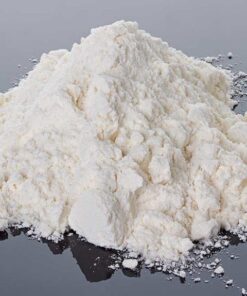
Heroin
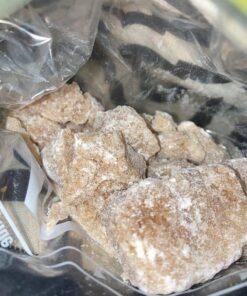
Heroin
Heroin
Heroin
Reviews
There are no reviews yet.